 +(91) 901 5639 952
 care@cardiogreen.in
  Vikaspuri, New Delhi - 110018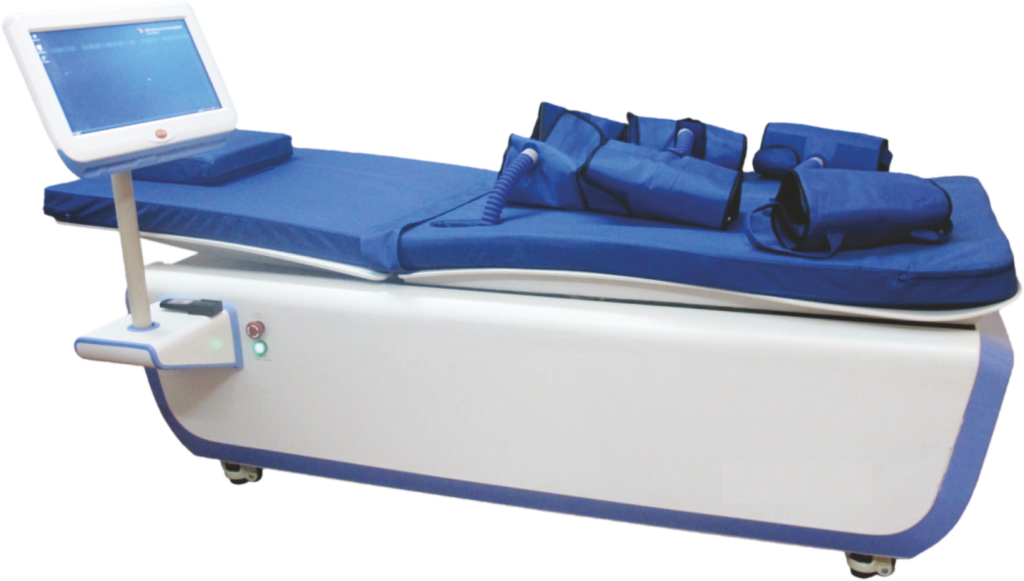
EECP vs Bypass Surgery – Understanding the Difference
When diagnosed with blocked heart arteries, many patients are advised to undergo bypass surgery. However, not everyone is ready for an invasive surgical procedure. Enhanced External Counter Pulsation (EECP) therapy offers a non-surgical, safe, and effective alternative for suitable patients.
Bypass surgery involves opening the chest and grafting new blood vessels to reroute blood flow around blocked arteries. While it can be life-saving, it requires anesthesia, hospitalization, recovery time, and carries surgical risks.
In contrast, EECP therapy is a completely non-invasive outpatient treatment. It naturally improves blood circulation to the heart by stimulating the formation of collateral vessels — often referred to as the body’s “natural bypass.”
EECP vs Bypass Surgery – Quick Comparison
- Invasiveness: EECP is non-surgical | Bypass requires open-heart surgery
- Anesthesia: Not required in EECP | General anesthesia required
- Hospital Stay: No hospitalization | 5–10 days hospital stay
- Recovery Time: Resume daily routine immediately | Several weeks recovery
- Risk Factors: Minimal risk | Risk of infection, stroke, complications
- Scars: No cuts or scars | Chest incision scar
- Cost: Significantly lower | High surgical cost
Who Should Consider EECP Instead of Surgery?
EECP therapy may be recommended for patients who:
- Have stable angina or coronary artery disease
- Are high-risk candidates for bypass surgery
- Wish to avoid invasive procedures
- Continue to have chest pain after angioplasty or bypass
- Have reduced heart pumping function (selected cases)
Every patient undergoes a detailed cardiac evaluation to determine whether EECP is suitable for their condition.
Is Bypass Surgery Always Necessary?
Bypass surgery is essential in certain emergency or critical blockages. However, for many stable heart patients, non-invasive therapies like EECP can significantly reduce symptoms, improve exercise tolerance, and enhance quality of life without the risks associated with major surgery.
Consulting a qualified cardiac specialist helps determine the most appropriate treatment plan tailored to your individual heart condition.
EECP Therapy FAQs
Each session typically lasts about one hour. Most patients undergo treatment five to six days a week for approximately 6–7 weeks, depending on their condition and physician recommendation.
No hospitalization is required. EECP is an outpatient procedure, and patients can return home immediately after each session and continue most of their normal daily activities.
EECP may not be suitable for individuals with severe valve disease, uncontrolled arrhythmias, active blood clots, or certain vascular conditions. A detailed medical evaluation is performed before starting therapy to ensure safety.
Yes. EECP is commonly performed alongside prescribed cardiac medications. Over time, some patients may require dosage adjustments, but any medication changes are made strictly under medical supervision.
Many patients begin noticing gradual improvement in stamina and reduction in symptoms within a few weeks. However, completing the full treatment schedule provides the most consistent and long-term benefits.
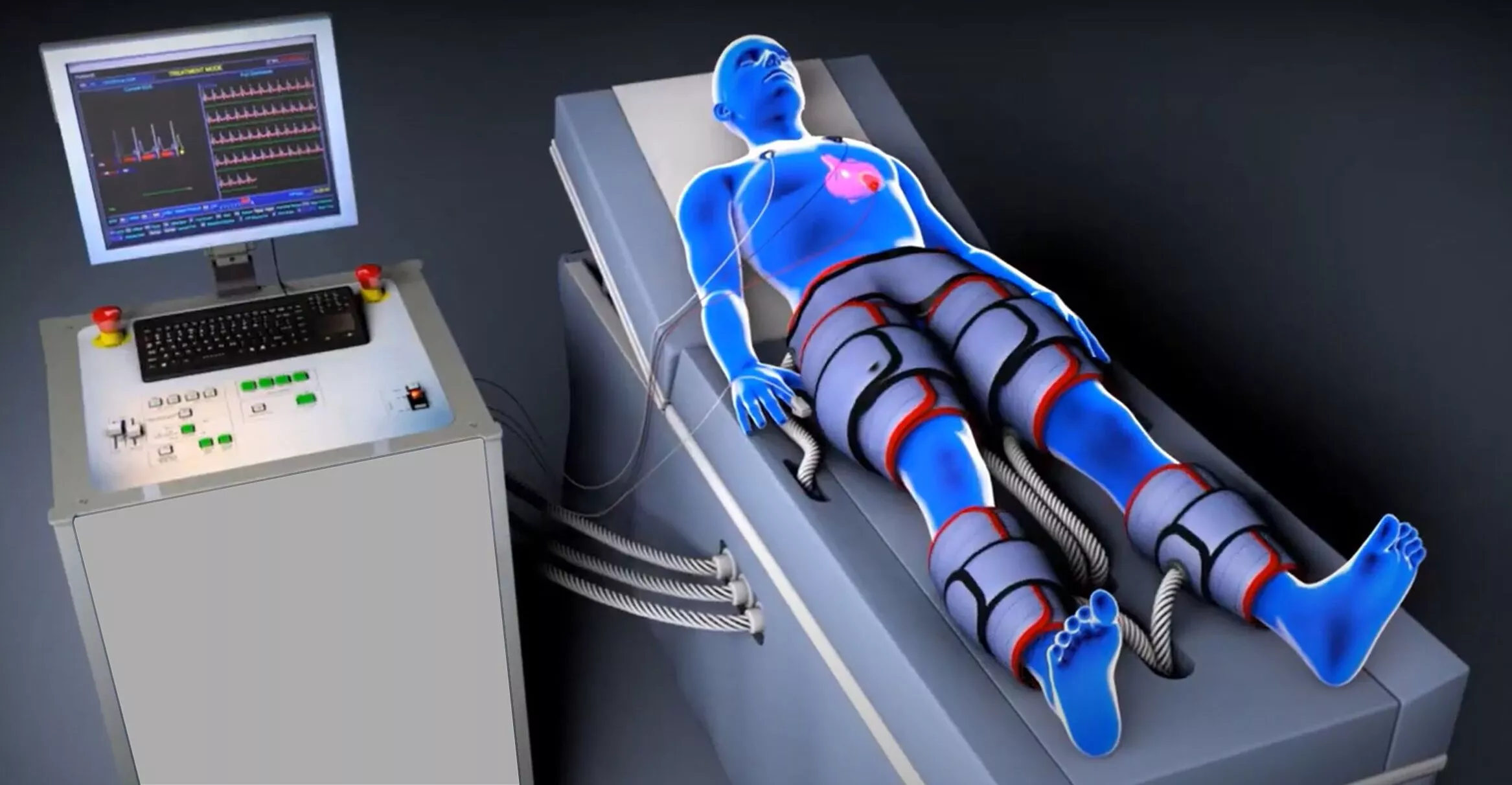
The treatment is generally well tolerated. Patients may feel firm pressure around the legs during inflation cycles, but it should not cause pain. Our team monitors you throughout the session to ensure comfort and safety.

 Emergency No. : (+01) 9015 639 952